Documentary Filmmaker in Santa Teresa, Costa Rica
Short documentaries about people and the places they work, how I approach them, what sound does, and why I'm putting this up before I arrive.
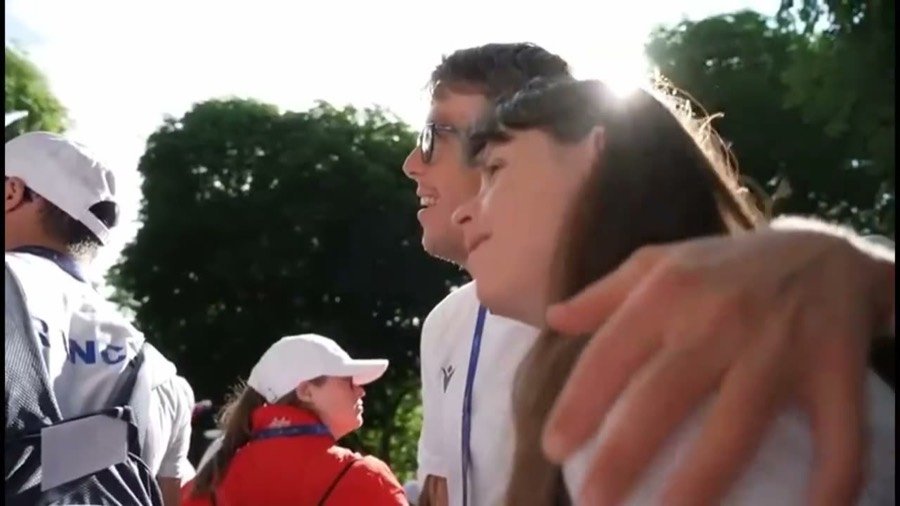
Before I filmed anything I did music, for fifteen years. It shows in how I work now, mostly in what I listen for.
I make short documentaries about people and about the places they've built. From 25 September 2026 I'm in Santa Teresa, and this page is what that work looks like.
What these films are
Someone doing the thing they do, filmed over enough time that they stop performing it.
Twenty seconds of a shaper's hands, the sound of the sander, the pause where he decides something. A woman opening a kitchen at five in the morning. Not an interview with a logo at the end, but a portrait, of a length that fits how people actually watch, six to ten minutes usually.
Businesses ask for them because a portrait ages better than an advert. Individuals ask because someone in the family is worth filming while they're still doing it.
It takes more than one visit
The first time out, people are aware of the camera and behave accordingly. That footage is rarely the footage.
So I come back. Second visit, third, and somewhere in there the person forgets to be filmed and starts working. That's the material the film is made of, and there's no shortcut to it. It's time, and being unremarkable enough to be ignored.
Which means arriving without knowing what the film is. That's uncomfortable the first few times and eventually becomes the reason to do it.
Sound carries the thing
Fifteen years of listening to how a track is put together turned out to be the part of my background that transferred best.
A room has a floor of noise, and it's different in every room. A workshop has a rhythm before anyone speaks. Cut those out to make things clean and the film goes flat, because the ear notices the absence even when the eye doesn't. So I record more of it than I need, doors, the sea two streets away, the fridge, the tools, and build the edit on that bed rather than on music.
Music comes last, when it comes at all. Plenty of these films are better without it.
Showing the edit first
Whoever is in the film sees it before anyone else does. Always.
You're asking someone to be honest on camera about their own work, and that only works if they trust what happens to it afterwards. Occasionally a good moment comes out because they're uncomfortable with it, and that's a fair trade.
What Santa Teresa changes
Language, first. My interviews have been in French. There they'll be in Spanish and in English, and a conversation in a language you're still working on is slower and more careful, which affects what people say and how long it takes them to relax.
Then time. Everything above depends on being around, and I'll be arriving as someone nobody knows. The first films I make there will take longer than they would at home, and that's simply what it costs.
Why I'm putting this here before I arrive
Because it's honest about the state of things. I've made these films in France; I've made none in Costa Rica. My first documentary comes out in September, and it wasn't shot on that coast.
If you run something on the peninsula and there's a film in it, the useful conversation is the one that starts before I land. The good ones take months, and months are what I'll have.
The rest of what I do, from property to surf to websites, is here.
More in Documentary & film